Abena Premium Maternity Pads Review: Eco-Friendly Postpartum Comfort
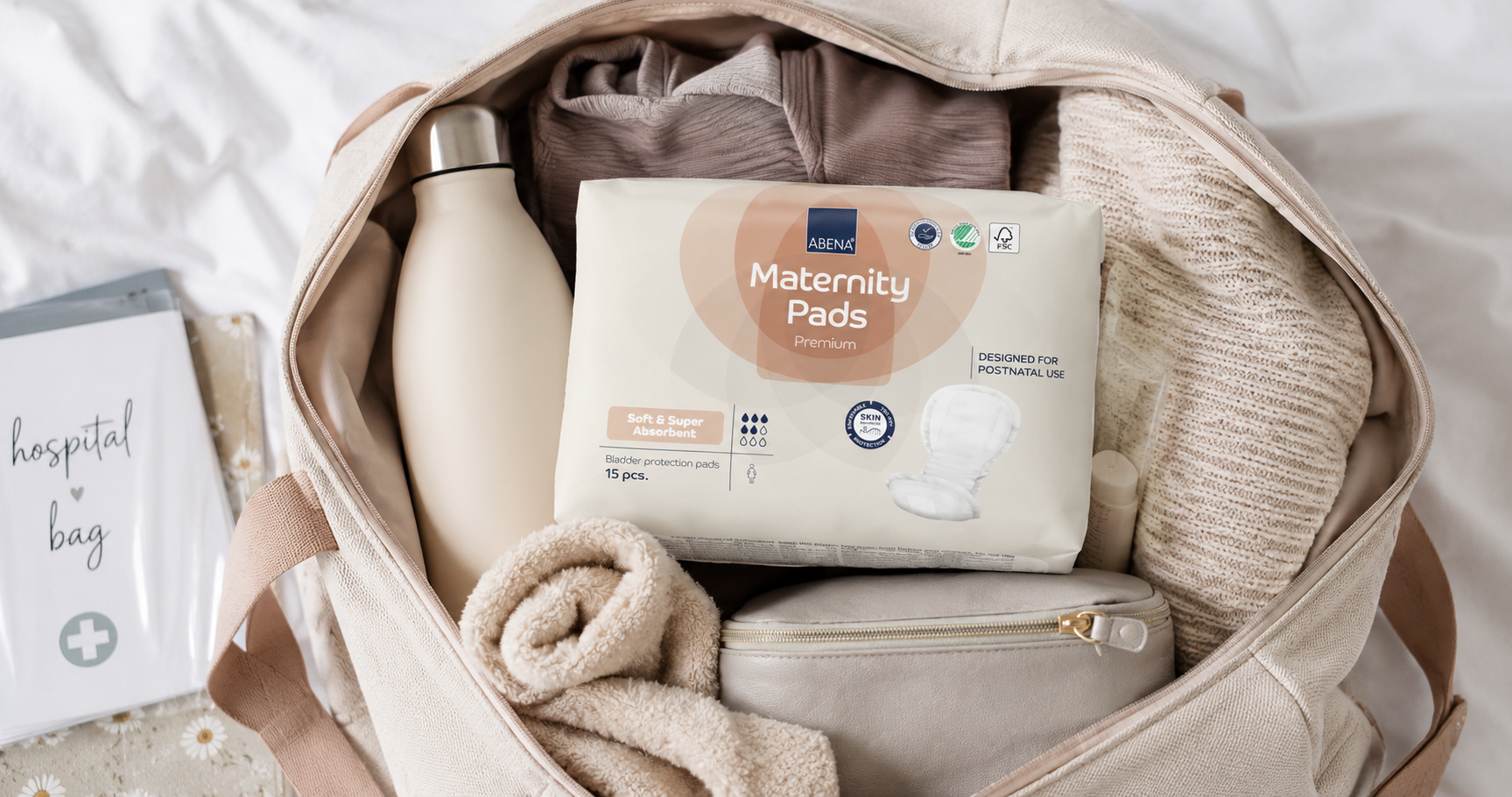 Maternity pads are the least glamorous item in your hospital bag. They are also one of the most important. After birth, your body needs weeks of gentle care, and the wrong pad can make sore skin feel worse.
In this Abena maternity pads review, we look at the eco-friendly 15 pack that keeps getting recommended in UK mum groups. We tested it for comfort, absorbency, and kindness to stitches, and we compared it with the big high street names.
What to Expect From Bleeding After Birth
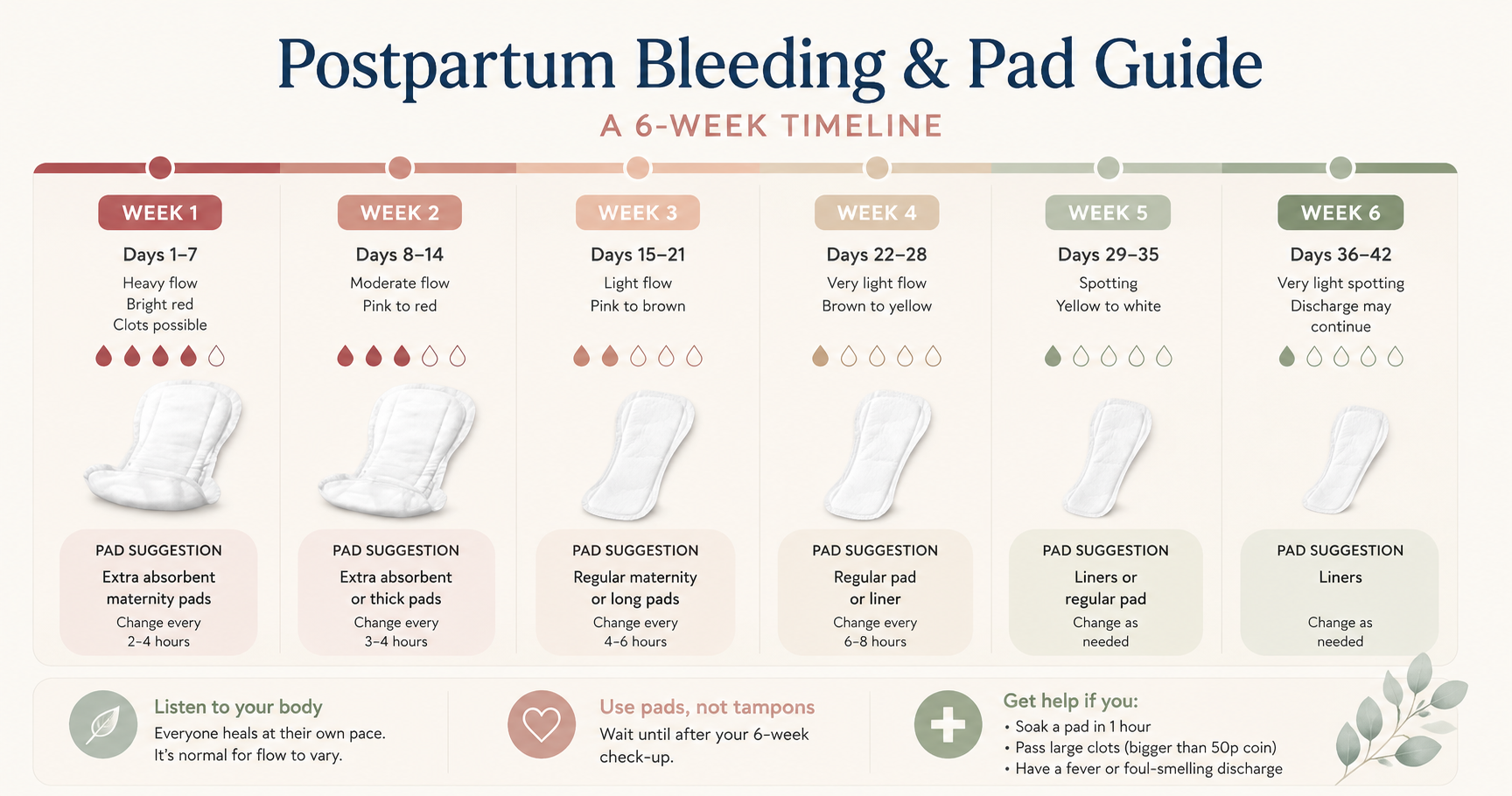
First, a quick reality check for first-time mums. Everyone bleeds after birth, whether the birth was vaginal or by caesarean. This bleeding is called lochia. It is heavy for the first few days, then slowly fades over two to six weeks.
The NHS guidance on your body after the birth is clear on the basics. Use pads, not tampons, until your six-week check, because tampons raise the risk of infection. Change pads regularly and wash your hands before and after. If you pass clots bigger than a 50p coin, tell your midwife.
Recovering from a caesarean? The bleeding still happens. Our week-by-week C-section recovery guide covers what is normal at each stage, and our postpartum recovery roadmap looks at the bigger healing picture.
First Impressions of the Abena Pads
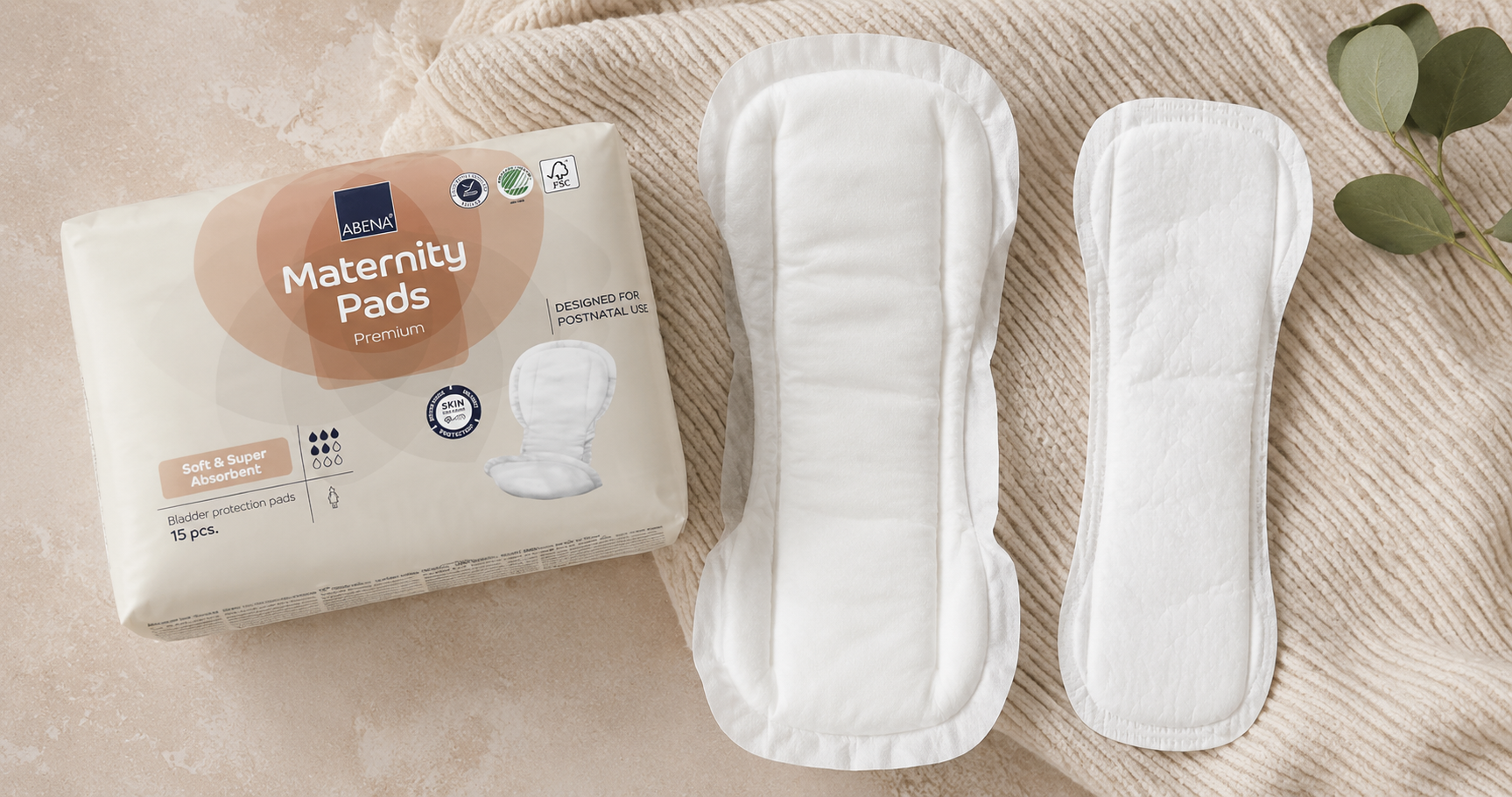
The Abena Premium Maternity Pads come in a pack of 15. They are long, wide, and noticeably thick, which is exactly what you want in week one.
The top layer is the standout. It feels soft and cotton-like, not plasticky. The back is breathable, so you do not get that sweaty, clammy feeling during long days of sitting and feeding. They sit securely inside snug, high-waisted cotton pants or disposable postpartum pants.
Comfort on Stitches and Sore Skin
This is where Abena earns its ‘premium’ name. Many cheap pads have a dry-weave plastic top that can catch on stitches and trap heat. Abena’s soft surface is kind to a stitched or torn perineum, and the breathable design helps the area stay cooler while it heals.
The pads are also dermatologically tested and free from added perfume. Sore, healing skin does not need fragrance anywhere near it.
A handy pairing: lots of mums alternate pads with cold and warm perineal relief pads in the first week. The cooling really takes the sting out of day two and three.
The Eco Side
Disposable pads create a lot of waste in those first weeks, so this matters. Abena pads carry the Nordic Swan Ecolabel, one of the strictest environmental labels in Europe. They are made in Denmark with cleaner production methods and use mostly breathable, skin-friendly materials instead of layers of plastic.
You still get full single-use hygiene, which most midwives recommend while you are healing. You just get it with a smaller footprint.
Abena vs Always Maternity vs Boots Own Brand
| Abena Premium | Always Maternity | Boots Own Brand | |
| Softness on stitches | Very soft, cotton-like top | Soft, slightly plasticky | Basic, can feel rough |
| Thickness and absorbency | Thick and very absorbent | Thinner, fine for later weeks | Thick but bulkier |
| Eco credentials | Yes, Nordic Swan Ecolabel | No eco label | No eco label |
| Best for | Week 1 and sore skin | Lighter flow, weeks 3 to 6 | Tight budgets |
In short, Always and Boots will do the job, especially once the flow gets lighter. But for the first heavy week, when your skin is at its most tender, Abena is the most comfortable of the three by a clear margin.
How Many Pads Do You Actually Need?
- Hospital bag: one full pack of 15. You will change pads every two to four hours at first.
- Week one at home: another one to two packs. Heavy flow plus frequent changes uses them up fast.
- Weeks two to six: the flow fades, so slimmer pads take over. Keep a few thick ones for nights.
Quick Questions
Do I still need maternity pads after a caesarean?
Yes. Lochia comes from the womb healing, not from the type of birth. Most c-section mums bleed for several weeks, so pack the same number of pads either way.
Can I just use thick period pads instead?
For the first week, no. Period pads are shorter, less absorbent, and often have plastic tops that irritate healing skin. Once the flow turns light, normal pads are fine.
Should I pack pads for before the birth too?
It is a smart move. A maternity pad is very handy if your waters break on the way to hospital, so keep one or two in your handbag from around week 36.
Pros and Cons at a Glance
Pros
- Very soft top layer that is gentle on stitches.
- Thick and absorbent enough for the heaviest days.
- Breathable, with no sweaty plastic feel.
- Nordic Swan Ecolabel and no added perfume.
Cons
- Bulkier than a normal pad, so not discreet under tight clothes.
- Only 15 per pack, so buy two or three packs.
- Harder to find in supermarkets than Always or Boots.
Final Verdict
Our Abena maternity pads review comes down to one line: your healing body deserves the soft option. These pads handle the heavy first week, stay kind to sore skin, and do it all with proper eco credentials.
Get the Abena Premium Maternity Pads here before you pack your hospital bag. They are the first thing we add to any postpartum recovery kit, and you can find the rest in our mother care shop.